Source Adjustable Ce Lateral Raise Machine for Gym, Home, Park
Compare 30 adjustable ce lateral raise machine options from Shandong manufacturers. These steel units feature CE and ISO certifications, manual power sources, and OEM customization for commercial gyms, home use, and community parks; compare the available evidence and request quotations based on your requirements.
Key considerations
Products List






Comprehensive Sourcing Guide
Adjustable CE Lateral Raise Machine Sourcing Guide
Procuring an adjustable CE lateral raise machine requires careful attention to the specific mechanical configurations observed in the market, particularly regarding the structural integrity of the steel frame. Buyers should prioritize units constructed with rectangular steel tubing, as this design element is frequently cited in product listings to ensure stability during high-load arm exercises. The observed market data indicates that tube thickness is a critical variable, with specific models featuring 3.0mm thickness to support commercial-grade durability.
When evaluating potential inventory, purchasers must verify that the machine aligns with the intended user demographic, which often includes adult males or unisex applications depending on the specific model configuration. The presence of aluminum alloy pulleys is another key observation, suggesting a focus on reducing friction and ensuring smooth resistance movement for the targeted arm and chest muscle groups. These material choices directly influence the longevity and performance of the equipment in a gymnasium or community setting.
Product Scope and Observed Listing Signals
The product scope for adjustable lateral raise machines spans various commercial and semi-commercial environments, including gymnasiums, parks, and community centers. Listings frequently indicate that these units are designed for commercial use, necessitating robust construction capable of withstanding frequent operation by multiple users. The observed data highlights that while some units are marketed specifically for male users, others are explicitly labeled as unisex, requiring buyers to match the product gender specification to their target clientele.
Listing signals also reveal significant variation in customization options, with many manufacturers offering OEM and ODM services to tailor the equipment to specific branding needs. Buyers should note that the folding status is typically listed as unfolded, implying that these machines are designed as permanent fixtures rather than space-saving home units. The packaging is consistently described as wooden boxes or cases, which suggests a need for specialized logistics planning to prevent damage during international transportation by sea.
Technical Specifications to Verify
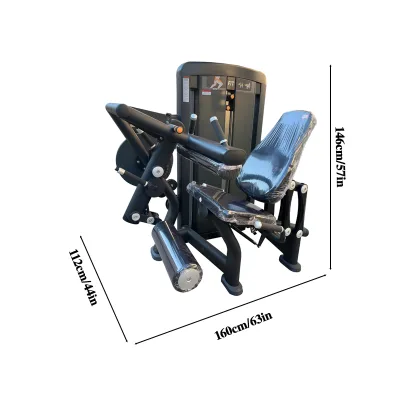
Technical verification must begin with the physical dimensions and weight capacity of the unit, as observed specifications range from approximately 1250mm to 1425mm in length. Buyers should confirm that the listed dimensions, such as 125012001495mm or 13007001600mm, align with the available floor space in their facility. The weight of the machine itself is another critical metric, with some models weighing up to 200kg, which impacts both installation requirements and the structural load-bearing capacity of the facility floor.
Further technical due diligence involves inspecting the model numbers and specific component materials to ensure consistency with the advertised performance. The presence of specific model identifiers like TZ 5007 or HSS001 helps in tracing the exact configuration of the steel frame and pulley systems. It is essential to verify that the tube thickness and the material of the pulleys, specifically aluminum alloy, meet the operational demands of the intended exercise routine to prevent premature wear or mechanical failure.
Compliance and Safety Documentation
Compliance documentation is a non-negotiable aspect of sourcing, with CE certification appearing as a primary requirement for equipment entering many international markets. Buyers must request valid certificates that explicitly confirm adherence to safety standards, noting that some listings reference combined certifications such as CE and ISO 9001 or RoHS compliance. The presence of these certifications indicates that the manufacturer has undergone specific testing protocols to ensure the machine meets European safety directives and environmental restrictions.
Safety verification extends beyond the initial certification to include the specific standards applied during the manufacturing process. While some documents mention standards like EN957 or ISO 9001, buyers should treat these as indicators of quality management systems rather than guaranteed performance metrics without direct verification. It is prudent to request the full test reports associated with the CE and ISO markings to ensure that the lateral raise machine has been rigorously tested for structural integrity and user safety under load.
Cost Drivers and Commercial Terms
Cost drivers for these machines are heavily influenced by the material quality, specifically the use of steel and aluminum alloy components, as well as the level of customization required. The observed price range is broad, extending from approximately $289 to $100,000, which reflects the variance between basic models and high-end commercial units with extensive OEM branding. Buyers must understand that the final price is often a function of the order volume, as the minimum order quantity (MOQ) can range from 2 pieces to 500 units, significantly affecting the per-unit cost.
Commercial terms regarding lead time and production schedules are equally critical for supply chain planning. The observed data suggests a production time of about 25 days, with a total lead time of approximately 35 days, though these figures can vary based on the specific model and customization level. Purchasers should also account for transportation costs, as the heavy nature of the equipment and the requirement for wooden packaging necessitate sea freight, which adds time and expense to the overall procurement budget.
Supplier Qualification and Quality Control
Supplier qualification should focus on verifying the business type, as the market data indicates a mix of manufacturers and trading companies. Buyers are advised to prioritize suppliers who identify as a "Manufacturer/Factory" or a "Manufacture & Trading Company" to ensure direct oversight of the production process. The location of the origin, predominantly Shandong, China, is a known hub for fitness equipment, but buyers must still validate the specific factory capabilities and quality control measures in place for the specific model being sourced.
Quality control protocols must be established before production begins, particularly regarding the welding of the steel frame and the assembly of the pulley systems. Since the products are often shipped in wooden cases, the packaging process itself is a quality indicator that should be inspected to ensure the machine arrives without damage. Buyers should also confirm the warranty terms, which are typically listed as one year, and ensure that the supplier provides clear procedures for handling defects or replacement parts within this period.
Long-Term Procurement Checks
Long-term procurement success depends on establishing a reliable supply chain that can consistently deliver units meeting the original technical specifications. Buyers should implement a system for periodic re-verification of the product standards, ensuring that the steel tube thickness and aluminum alloy pulleys remain consistent across different production batches. This is particularly important given the variation in model numbers and specifications observed in the market, which can lead to inconsistencies if not strictly managed.
Sustainability and after-sales support are also vital components of a long-term strategy, especially for equipment intended for commercial use in high-traffic areas. Buyers should verify the availability of spare parts and the supplier's ability to provide technical support for maintenance issues that may arise after the initial warranty period. Additionally, maintaining a relationship with the supplier for potential future OEM orders can help in scaling operations while ensuring that the equipment continues to meet the evolving safety and performance standards of the fitness industry.
FAQs
What certifications do these machines have?
These machines typically hold CE and ISO RoHS certifications. Some listings also reference ISO 9001 standards for quality management. Buyers should verify specific certificate documents with the supplier before purchase to ensure compliance with local regulations and safety requirements for gymnasium equipment.
Can I customize the design of the machine?
Yes, customization is available for most models. Suppliers offer OEM and ODM services to tailor the design, color, and specifications. You can request specific dimensions or branding options. This allows businesses to align the equipment with their facility's aesthetic and functional needs effectively.
What is the typical lead time for production?
The production time is approximately 25 days. The total lead time, including preparation and shipping arrangements, is about 35 days. These timelines apply to standard orders. Expedited options may be available for urgent requirements, but buyers should confirm current schedules with the manufacturer directly.
What is the minimum order quantity required?
The minimum order quantity varies by supplier but often starts at 2 pieces. Some manufacturers may accept orders as low as 1 unit for samples. Bulk orders typically range up to 500 units. Buyers should check specific MOQ policies to determine the best fit for their procurement volume.
Where are these machines manufactured?
These machines are primarily manufactured in Shandong, China. The region is known for its industrial capacity in fitness equipment production. Buyers can expect products to originate from this area. Shipping is typically arranged by sea for international orders, ensuring cost-effective delivery to global destinations.
What materials are used in construction?
The frames are constructed from steel with a tube thickness of 3.0mm. Pulleys are often made from aluminum alloy for durability. The equipment is finished in black or optional colors. This robust construction ensures stability and longevity for commercial gymnasium use and heavy daily training sessions.